Source Watch Display Rack for Stores, Hotels, and Exhibitions
Compare 30 watch display rack options made from acrylic, plastic, and wood. These stands support watches, bracelets, and cosmetics in supermarkets, specialty stores, and hotels, with customizable logos and eco-friendly features available; compare the available evidence and request quotations based on your requirements.
Key considerations
Products List


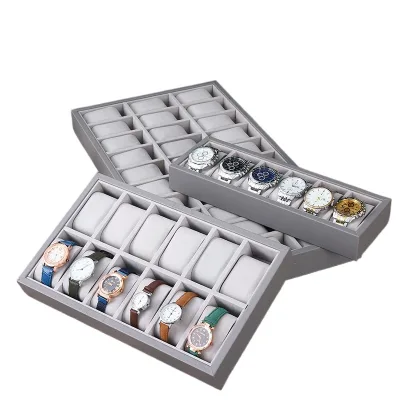


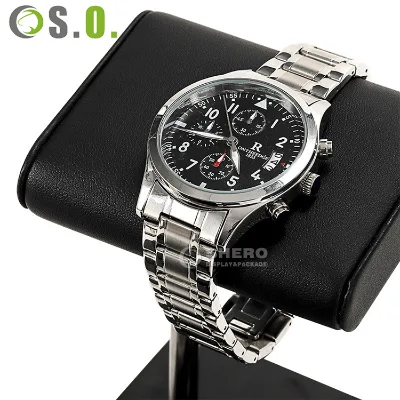
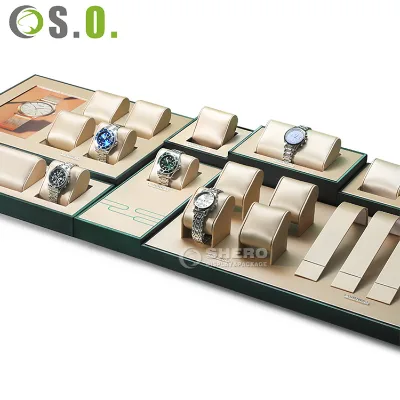

Comprehensive Sourcing Guide
Watch Display Rack Sourcing Guide
Selecting the right watch display rack requires balancing aesthetic appeal with functional durability, ensuring that the presentation enhances the perceived value of the timepieces. Buyers must evaluate materials such as acrylic, plastic, or wood, each offering distinct visual and structural properties. Acrylic stands out for its clarity and eco-friendly profile, while wood provides a modern, luxurious feel suitable for high-end retail environments. The choice of material directly influences the rack’s weight, cost, and environmental impact, making it a critical initial decision point for procurement teams aiming to align with brand identity and sustainability goals.
Beyond material selection, the physical design and customization options play a pivotal role in how effectively the display serves its purpose. Features like L-shape or C-shape configurations allow for optimized space utilization in specialty stores, supermarkets, or exhibition shows. Customization capabilities, including logo placement and color variations such as clear, black, or white, enable brands to maintain visual consistency across their retail footprint. Procurement specialists should prioritize suppliers who offer flexible design parameters, ensuring that the final product not only protects the watches but also acts as a compelling marketing tool that attracts customer attention and facilitates easy viewing.
Product Scope and Observed Listing Signals
The current market for watch display racks exhibits a wide range of product variations, with observed prices spanning from $0.21 to $2999 USD. This broad spectrum reflects differences in material quality, structural complexity, and order volume, with minimum order quantities (MOQs) typically ranging from 1 to 100 units. Buyers should note that lower price points often correlate with basic plastic or acrylic constructions, while higher-end options may involve wood finishes or more intricate designs. Understanding this price variability is essential for budgeting, as it allows procurement teams to align their spending with the specific retail environment, whether it be a high-volume supermarket or a boutique specialty store.
Listing signals also reveal significant customization potential, with many suppliers offering tailored solutions for logo printing, color selection, and dimensional adjustments. Common models like D33, Q137, and Y13 demonstrate the diversity in form factors, from compact units holding a single watch to larger displays accommodating up to 16 watches. These variations suggest that buyers can source racks that fit specific spatial constraints or display requirements. Additionally, the availability of eco-friendly and durable features indicates a market trend toward sustainable and long-lasting retail fixtures, allowing buyers to make informed decisions that support both operational efficiency and corporate social responsibility objectives.
Technical Specifications to Verify
When evaluating technical specifications, buyers must closely examine the dimensional standards and structural integrity of the display racks. Common dimensions observed include 9x6.25x6 inches for acrylic models and 34.2x15.5x13.4 cm for larger units, with some designs featuring specific shapes like L-shape or C-shape to optimize display angles. It is crucial to verify that the internal dimensions accommodate the watches and bracelets securely, preventing movement or damage during transport and display. Buyers should request detailed technical drawings or CAD files to ensure that the racks fit seamlessly into existing retail fixtures or shelving units, avoiding costly modifications or space inefficiencies in the store layout.
Material thickness and finish quality are equally important technical factors that impact the longevity and appearance of the display racks. Acrylic racks often come with clear or black finishes, while wooden options may feature painted surfaces for a modern aesthetic. Procurement teams should verify the durability of these finishes against scratches, UV exposure, and general wear and tear, especially for racks used in high-traffic areas like exhibition shows or supermarkets. Additionally, checking the packing specifications, such as OPP bags, foam, or PE film, ensures that the products arrive in pristine condition, minimizing the risk of damage during shipping and reducing the need for replacements or repairs.
Compliance and Safety Documentation
Compliance and safety documentation are critical for ensuring that watch display racks meet regulatory standards and retail safety requirements. Buyers should verify that suppliers adhere to relevant industry standards, such as ISO9001 for quality management, which indicates a systematic approach to manufacturing processes. While specific certifications like FSC for wood products are mentioned as background information, buyers must confirm the actual certification status of their chosen supplier to ensure sustainable sourcing practices. This verification is particularly important for brands that prioritize environmental responsibility and need to demonstrate compliance with eco-friendly regulations in their supply chain.
Safety considerations also extend to the physical stability and structural integrity of the display racks, especially those made from heavier materials like wood. Buyers should request test reports or safety data sheets that confirm the racks can support the weight of multiple watches without tipping or collapsing. Additionally, ensuring that the materials used are non-toxic and free from harmful chemicals is essential, particularly for displays used in public spaces or areas accessible to children. By prioritizing suppliers with robust compliance documentation, buyers can mitigate risks associated with product liability and ensure a safe shopping experience for customers.
Cost Drivers and Commercial Terms
Cost drivers for watch display racks include material selection, customization complexity, and order volume, all of which significantly impact the final price. Acrylic and plastic materials generally offer cost-effective solutions, while wood and luxury finishes command higher prices due to their premium aesthetic and durability. Buyers should negotiate commercial terms that reflect these cost variations, seeking volume discounts for larger orders while maintaining flexibility for smaller, customized batches. Understanding the breakdown of costs helps procurement teams identify areas for potential savings, such as standardizing designs or reducing unnecessary customization features that do not add significant value to the retail display.
Shipping and logistics also play a crucial role in the total cost of ownership, with options ranging from air freight to sea transport depending on urgency and volume. Buyers should evaluate the packing efficiency of the suppliers, as compact packing can reduce shipping costs and minimize environmental impact. Additionally, considering the lead times and production capacity of suppliers is essential for maintaining inventory levels and meeting retail launch deadlines. By establishing clear commercial terms and logistics strategies, buyers can optimize their procurement process, ensuring timely delivery and cost-effective management of watch display racks across their retail network.
Supplier Qualification and Quality Control
Supplier qualification is a foundational step in securing reliable watch display racks, requiring a thorough assessment of the supplier’s manufacturing capabilities and quality control processes. Buyers should verify that suppliers are established factories with a proven track record, rather than trading companies, to ensure direct control over production quality and pricing. Checking for business type transparency and past performance in similar industries, such as retail or exhibition displays, helps gauge the supplier’s ability to meet specific requirements. Additionally, evaluating the supplier’s responsiveness and communication skills is crucial for managing custom orders and resolving any issues that may arise during the procurement process.
Quality control measures should be integrated into the procurement strategy to ensure that the final products meet the specified standards and expectations. Buyers should implement pre-shipment inspections to verify dimensions, material quality, and finish consistency, ensuring that each rack is free from defects. Establishing clear quality acceptance criteria and communication channels with the supplier allows for timely feedback and corrective actions if issues are identified. By prioritizing suppliers with robust quality control systems, buyers can minimize the risk of receiving substandard products and maintain a high level of customer satisfaction in their retail operations.
Long-Term Procurement Checks
Long-term procurement checks involve continuous monitoring of supplier performance and product quality to ensure sustained value and reliability. Buyers should establish key performance indicators (KPIs) such as on-time delivery rates, defect rates, and responsiveness to issues, regularly reviewing these metrics to identify areas for improvement. Maintaining open communication with suppliers and conducting periodic audits can help address potential issues before they escalate, fostering a collaborative relationship that benefits both parties. Additionally, staying informed about industry trends and technological advancements in display rack design allows buyers to make proactive adjustments to their procurement strategy, ensuring that their retail displays remain competitive and relevant.
Sustainability and ethical sourcing practices should also be part of the long-term procurement strategy, reflecting the growing importance of corporate social responsibility. Buyers should regularly assess their suppliers’ adherence to environmental standards and labor practices, ensuring that their supply chain aligns with their brand values. By integrating sustainability into their procurement checks, buyers can mitigate risks associated with regulatory changes and consumer expectations, while also contributing to a more responsible and transparent supply chain. This holistic approach to long-term procurement ensures that watch display racks not only meet current needs but also support the brand’s future growth and reputation.
FAQs
What materials are used for watch display racks?
Watch display racks are commonly crafted from acrylic, plastic, or wood. Acrylic options offer a clear, luxury appearance suitable for exhibitions and specialty stores. Plastic variants provide durable and fashionable designs for supermarkets. Wooden stands feature a modern style with painting finishes, ideal for home or office environments. Each material choice supports eco-friendly and durable product presentation needs.
Can I customize the logo on a watch display rack?
Yes, customized logos are available for most watch display racks. Buyers can request specific branding to enhance store identity. This customization applies to various models, including acrylic and plastic stands. The process allows for tailored visual appeal in exhibition shows or specialty stores. Ensure your design files meet supplier requirements for accurate printing or engraving on the chosen material surface.
What is the typical MOQ for watch display racks?
The minimum order quantity varies by supplier and model. Some manufacturers require a minimum of 100 pieces per color for certain plastic or acrylic designs. Other suppliers may accept lower quantities starting from one unit. Buyers should verify the specific MOQ for their chosen model, such as D33 or Q137, to ensure alignment with their inventory needs and budget constraints.
Which shapes are available for watch display racks?
Watch display racks come in various shapes to suit different display needs. Common options include L-shape and C-shape designs for efficient corner or wall mounting. Round stands with an eight-centimeter diameter are also available for tabletop use. These shapes accommodate multiple watches or bracelets, providing stable and fashionable presentation for retail environments or home collections.
How are watch display racks packaged for shipping?
Packaging methods ensure product safety during transit. Common configurations include OPP bags with foam and cartons for smaller acrylic units. PE film combined with foam and cartons is used for larger models. Some plastic stands are packed directly in cartons. These protective measures prevent damage and maintain the eco-friendly and durable quality of the display racks during international shipping.
Where are watch display racks typically manufactured?
Most watch display racks are manufactured in Guangdong, China, including Guangzhou. This region is known for producing acrylic, plastic, and wooden display solutions. Factories in this area offer customization services and various shipping methods like air, sea, or express. Buyers can source directly from these factories to access competitive pricing and diverse product specifications for global retail needs.